Comprehensive Guide to Furniture Disposal in Ealing
Understanding Furniture Disposal in Ealing

Furniture disposal is a crucial aspect of maintaining a clean and organized living or working space. In Ealing, residents and businesses alike often face the challenge of efficiently and responsibly getting rid of unwanted furniture. Whether you’re upgrading your home, decluttering your office, or dealing with old, broken pieces, understanding the best disposal methods can save you time, money, and the environment.
Improper disposal of furniture can lead to environmental pollution, take up valuable landfill space, and may even result in fines if local regulations are not followed. Therefore, it’s essential to be informed about the various options available in Ealing for furniture disposal.
This guide aims to provide a detailed overview of the furniture disposal process in Ealing, highlighting the most effective and sustainable methods available to residents. From recycling programs to charitable donations, we’ll explore all the avenues to ensure your old furniture finds a new purpose without harming the environment.
Why Proper Furniture Disposal Matters

Proper furniture disposal is not just about decluttering your space; it has significant environmental and social implications. Furniture items, especially those made of wood, metal, and plastics, can take decades to decompose in landfills, releasing harmful substances into the soil and water. By disposing of furniture responsibly, you contribute to reducing landfill waste and minimizing environmental pollution.
Moreover, many pieces of furniture still hold value and can be repurposed or recycled. Donating usable furniture to charities can provide essential items to those in need, fostering a sense of community and reducing overall waste. Recycling programs ensure that materials are recovered and reused, lowering the demand for new raw materials and conserving natural resources.
In Ealing, adhering to proper disposal methods also ensures that you comply with local regulations and avoid potential fines. The local council may have specific guidelines on how to dispose of large items, and failing to follow these can result in penalties. Therefore, understanding and implementing proper disposal practices is beneficial both for the individual and the broader community.
Methods for Furniture Disposal in Ealing
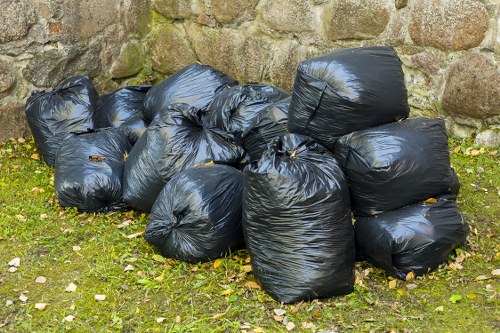
There are several effective methods available for disposing of furniture in Ealing, each with its own set of benefits and considerations. Choosing the right method depends on factors such as the condition of the furniture, your budget, and your personal preferences. Below, we explore the most common disposal options in Ealing:
1. Recycling Centers
Ealing boasts several recycling centers that accept various types of furniture. These centers are equipped to handle different materials, ensuring that items are processed responsibly. Recycling centers often have specific requirements regarding the condition and type of furniture they accept, so it’s advisable to check their guidelines before visiting.
2. Charity Shops
Donating furniture to local charity shops is an excellent way to give your old items a second life. Many charities in Ealing, such as Goodwill and the Salvation Army, accept gently used furniture. These organizations either resell the items to raise funds for their causes or distribute them to individuals in need.
3. Bulk Waste Collection Services
The Ealing Council offers bulk waste collection services for larger items that cannot be disposed of through regular waste collection. Scheduling a collection requires booking in advance, and there may be fees associated with the service. It’s a convenient option for those who need to dispose of multiple pieces of furniture simultaneously.
4. Professional Removal Services
For those who prefer a hassle-free disposal process, professional removal services are available. These companies handle the entire disposal process, from collection to transportation and disposal. While this option may be more expensive, it saves time and ensures that the furniture is disposed of properly.
Local Regulations and Guidelines
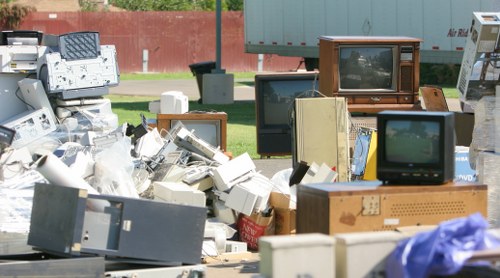
Adhering to local regulations is essential when disposing of furniture in Ealing. The Ealing Council has established specific guidelines to manage waste effectively and maintain community standards. Understanding these regulations helps avoid fines and ensures that your disposal practices are environmentally responsible.
Key regulations include:
- Scheduling Bulk Pickups: Large items must be scheduled for bulk pickup services and cannot be left on the street unscheduled.
- Recycling Requirements: Certain materials must be separated and taken to designated recycling centers.
- Donation Standards: Items donated to charities must meet quality standards to be accepted.
Failure to comply with these regulations can result in penalties and contribute to unmanaged waste in the community. Therefore, it’s crucial to stay informed about the latest guidelines provided by the Ealing Council.
Tips for Effective Furniture Disposal
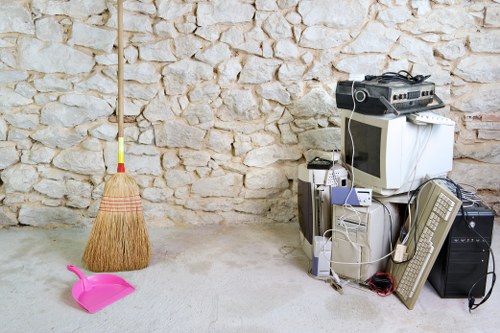
Disposing of furniture doesn’t have to be a daunting task. By following some practical tips, you can streamline the process and ensure that your old furniture is disposed of responsibly:
- Assess the Condition: Determine whether the furniture is still usable. If it’s in good condition, consider donating or selling it.
- Measure and Plan: Ensure you have the necessary space and means to transport the furniture to the disposal site or arrange for a pickup.
- Break It Down: Disassembling furniture can make it easier to transport and recycle.
- Contact Local Services: Reach out to recycling centers, charities, or professional removal services in advance to confirm their availability and requirements.
- Follow Guidelines: Adhere to local disposal regulations to avoid fines and ensure your furniture is handled properly.
By implementing these tips, you can make the furniture disposal process in Ealing more efficient and environmentally friendly.
Sustainable Disposal Practices
Sustainability is at the heart of responsible furniture disposal. Opting for eco-friendly disposal methods not only benefits the environment but also supports the community. Here are some sustainable practices to consider:
- Reuse and Repurpose: Find new uses for old furniture pieces, such as turning a table into a desk or using wooden legs for plant stands.
- Recycle Materials: Separate recyclable materials like metal, wood, and fabric to ensure they are processed appropriately.
- Support Eco-Friendly Charities: Donate to organizations that prioritize sustainability in their operations.
- Choose Green Removal Services: Select companies that employ environmentally friendly disposal methods.
Adopting these practices helps reduce waste, conserve resources, and promote a healthier environment in Ealing.
Cost Considerations
When disposing of furniture, it’s important to consider the costs involved. Different disposal methods come with varying price points, and understanding these can help you choose the most cost-effective option:
- Recycling Centers: Many recycling centers in Ealing offer free disposal services for certain types of furniture. However, fees may apply for bulk items or specific materials.
- Charity Donations: Donating furniture to charities is typically free and can even provide tax benefits if you itemize deductions.
- Bulk Waste Collection: The Ealing Council may charge a fee for bulk waste pickups, especially for large quantities or special items.
- Professional Removal: Hiring a professional removal service is usually the most expensive option but offers convenience and ensures proper disposal.
By evaluating these costs, you can make an informed decision that aligns with your budget while ensuring responsible furniture disposal.
Potential Savings
Choosing the right disposal method can also lead to potential savings. For instance, donating or selling your furniture can earn you some money or provide tax deductions, reducing the overall cost of disposal. Additionally, recycling materials yourself can minimize fees associated with professional services.
FAQs About Furniture Disposal in Ealing
What types of furniture can be disposed of in Ealing?
Most types of furniture can be disposed of in Ealing, including sofas, chairs, tables, beds, and wardrobes. However, certain items like mattresses and upholstered furniture may have specific disposal requirements.
Are there any items that cannot be disposed of through recycling centers?
Yes, hazardous materials, such as large quantities of paint or chemicals, cannot be disposed of through recycling centers. It’s essential to check with the specific recycling center for a list of prohibited items.
How do I schedule a bulk waste pickup with Ealing Council?
You can schedule a bulk waste pickup by contacting the Ealing Council’s waste management services. This can typically be done online or by phone. Advance booking is recommended to ensure timely collection.
Can I get paid for donating my old furniture?
While donating furniture to charity stores is generally free, some platforms allow you to sell your items directly, potentially earning money from the sale. Additionally, donations may qualify for tax deductions.
What should I do with furniture that is beyond repair?
Furniture that is beyond repair should be taken to recycling centers or arranged for disposal through professional removal services. It’s important to ensure that even non-functional items are disposed of responsibly to minimize environmental impact.
Conclusion
Effective furniture disposal in Ealing requires a combination of awareness, planning, and responsible action. By understanding the available disposal methods, adhering to local regulations, and prioritizing sustainable practices, residents can ensure that their old furniture is handled in an environmentally friendly and community-conscious manner.
Whether you choose to recycle, donate, or hire professional services, each option offers unique benefits that cater to different needs and circumstances. Proper disposal not only helps maintain a clean and organized space but also contributes to the overall well-being of the environment and the Ealing community.
Don’t let your unwanted furniture become a burden. Contact us today to explore the best disposal options available and make a positive impact on your surroundings.
Take Action Now
If you’re ready to dispose of your furniture responsibly, book your service now and join the movement towards a cleaner, greener Ealing.
