Comprehensive Guide to Business Waste Removal in Ealing
Introduction to Business Waste Removal
In today’s fast-paced business environment, maintaining a clean and efficient workspace is crucial. **Business waste removal** plays a pivotal role in ensuring that companies operate smoothly and comply with environmental regulations. For businesses in Ealing, finding the right waste removal service can make a significant difference in operational efficiency and sustainability efforts.
Effective waste management not only helps in keeping the workspace tidy but also contributes to the broader goal of environmental conservation. By choosing professional waste removal services, businesses can reduce their carbon footprint and promote a healthier community.
In this article, we will explore the various aspects of business waste removal in Ealing, including the types of waste generated, the importance of proper disposal, and how to select the best service provider for your needs.
Types of Business Waste
Businesses generate a variety of waste materials, each requiring specific handling and disposal methods. Understanding the different types of waste is the first step towards effective waste management.
1. General Waste: This includes everyday items that are discarded during business operations, such as packaging materials, office supplies, and food waste.
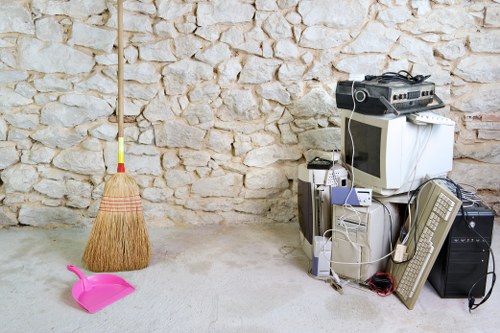
2. Hazardous Waste: Materials that are potentially harmful to humans or the environment, including chemicals, batteries, and electronic waste.
- Electronic waste (e-waste)
- Chemical solvents
- Batteries and fluorescent lamps
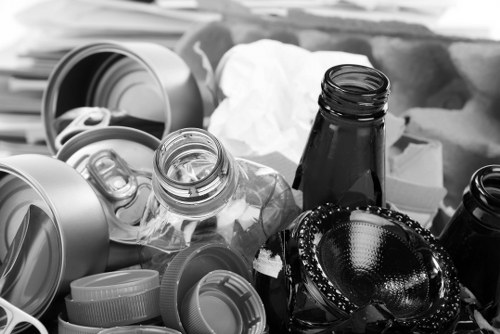
3. Recyclable Waste: Items that can be processed and reused, such as paper, cardboard, glass, and certain plastics.
Construction and Demolition Waste
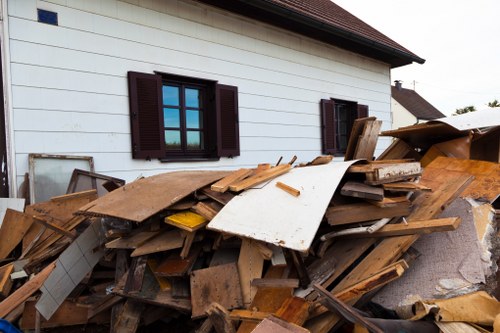
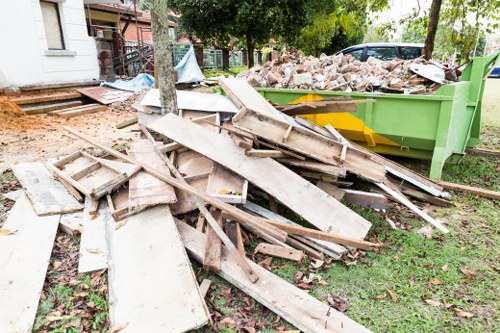
For businesses involved in construction or renovation, managing construction and demolition (C&D) waste is essential. This waste includes materials like concrete, wood, metals, and bricks.
Importance of Proper Waste Removal
Proper waste removal is not just about cleanliness; it has far-reaching implications for the environment, public health, and business reputation.
Environmental Impact: Incorrect disposal of waste can lead to pollution of air, water, and soil, contributing to climate change and harming wildlife.
Legal Compliance: Businesses are required to adhere to local regulations regarding waste disposal. Non-compliance can result in hefty fines and legal issues.
- Adhering to environmental laws
- Avoiding penalties
- Promoting sustainability
Health and Safety
Proper waste management helps in preventing accidents and health hazards. Hazardous waste, if not handled correctly, can pose serious risks to employees and the community.
Choosing the Right Waste Removal Service
Selecting a reliable business waste removal service in Ealing requires careful consideration of several factors to ensure that your specific needs are met effectively.
Experience and Expertise: Look for companies with a proven track record in handling various types of business waste. Experienced providers are more likely to offer efficient and compliant services.
Compliance and Certification: Ensure that the waste removal service is licensed and certified to handle your specific types of waste. This guarantees adherence to legal and environmental standards.
- Licensed waste carriers
- Certified recycling practices
- Compliance with local regulations
Service Range and Flexibility
Consider the range of services offered, such as regular pickups, emergency removals, and specialized disposal services. A flexible provider can tailor their services to fit your business schedule and requirements.
Benefits of Professional Waste Removal

Engaging a professional business waste removal service offers numerous advantages that can enhance your business operations and sustainability efforts.
Cost-Effective Solutions: Professional services often provide competitive pricing and can help reduce overall waste management costs through efficient practices.
Time Savings: Outsourcing waste removal frees up valuable time and resources, allowing your staff to focus on core business activities.
- Reduced operational costs
- Increased productivity
- Access to expert knowledge
Sustainability Initiatives
Professional waste removal services often incorporate recycling and waste reduction strategies, supporting your business’s sustainability goals and enhancing your corporate social responsibility profile.
Implementing an Effective Waste Management Plan
To maximize the benefits of business waste removal, it’s essential to implement a comprehensive waste management plan tailored to your business’s specific needs.
Waste Audit: Conduct a thorough audit to identify the types and quantities of waste your business generates. This helps in selecting the appropriate waste removal services and strategies.
Set Clear Objectives: Define your waste reduction and recycling goals. Setting clear targets can guide your waste management efforts and provide benchmarks for measuring success.
- Identify waste sources
- Set measurable goals
- Develop action plans
Employee Training and Engagement
Engage your employees in waste management practices through training and awareness programs. When staff understand the importance of proper waste disposal, they are more likely to participate actively in waste reduction initiatives.
Monitoring and Evaluation
Regularly monitor your waste management practices and evaluate their effectiveness. Adjust your strategies as needed to improve efficiency and achieve your objectives.
Local Regulations and Compliance in Ealing
Ealing, like other regions, has specific regulations governing business waste removal. Understanding and complying with these laws is crucial to avoid penalties and ensure environmentally responsible practices.
Waste Disposal Permits: Depending on the type and volume of waste, your business may require specific permits for disposal. It’s essential to consult with local authorities to determine the necessary documentation.
Recycling Requirements: Ealing encourages businesses to engage in recycling efforts. Compliance with local recycling mandates not only helps the environment but can also enhance your business’s reputation.
- Obtaining necessary permits
- Adhering to recycling laws
- Reporting waste management activities
Environmental Impact Assessments
For large-scale businesses, conducting environmental impact assessments (EIA) may be required to evaluate the potential effects of waste disposal practices on the local environment.
Innovative Waste Removal Solutions
The waste management industry is continually evolving, with new technologies and methods emerging to improve efficiency and sustainability.
Automated Waste Sorting: Advanced sorting technologies can enhance the separation of recyclable materials, increasing the efficiency of recycling processes.
Composting: Organic waste can be converted into compost, providing a valuable resource for agriculture and landscaping, thus reducing landfill usage.
- Enhanced recycling techniques
- Organic waste conversion
- Energy recovery from waste
Digital Waste Tracking Systems
Implementing digital tracking systems allows businesses to monitor their waste generation and disposal more effectively, providing insights for continuous improvement.
Zero Waste Initiatives
Many businesses are adopting zero waste initiatives, aiming to eliminate all waste through reduction, reuse, and recycling strategies. These initiatives can significantly impact environmental conservation efforts.
Cost Considerations
Understanding the cost factors involved in business waste removal can help in budgeting and choosing the most cost-effective solutions for your business.
Volume of Waste: The amount of waste your business generates directly impacts the cost of removal services. Efficient waste management practices can help reduce overall costs.
Type of Waste: Hazardous and specialized waste typically incur higher disposal fees due to the additional handling and regulatory requirements involved.
- Pricing structures of waste removal services
- Potential cost savings through recycling
- Long-term financial benefits of efficient waste management
Comparing Service Providers
When selecting a waste removal service, compare the pricing models and service offerings of different providers. Look for transparent pricing with no hidden fees to ensure that you are getting the best value for your investment.
Case Studies: Successful Waste Removal in Ealing
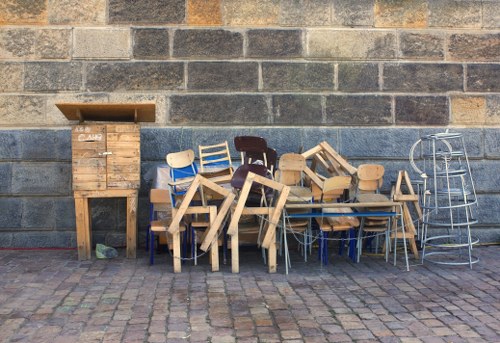
Examining real-world examples of businesses that have effectively implemented waste removal strategies can provide valuable insights and inspiration.
Case Study 1: A local restaurant in Ealing reduced its waste by 40% through comprehensive recycling programs and partnerships with waste removal services specializing in organic waste.
Case Study 2: An office complex implemented digital waste tracking systems, resulting in a 25% decrease in general waste and significant cost savings on waste removal services.
- Adoption of targeted recycling programs
- Implementation of waste tracking technologies
- Collaborative partnerships with service providers
Lessons Learned
These case studies highlight the importance of proactive waste management planning, employee engagement, and choosing the right service partners to achieve substantial waste reduction and operational improvements.
Future Trends in Business Waste Removal
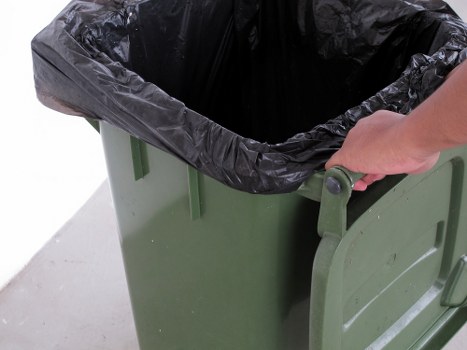
The landscape of business waste removal is set to evolve with advancements in technology and growing environmental awareness.
Circular Economy: Emphasizing the reuse and recycling of materials, the circular economy model aims to minimize waste and maximize resource efficiency.
Smart Waste Solutions: Integration of IoT and AI in waste management can lead to smarter scheduling, optimized routes, and real-time monitoring of waste levels.
- Increased focus on sustainability
- Adoption of smart technologies
- Growing importance of corporate environmental responsibility
Legislative Changes
Future legislative changes are likely to impose stricter regulations on waste disposal, encouraging businesses to adopt more sustainable practices and invest in advanced waste removal solutions.
Innovative Recycling Techniques
Ongoing research and development in recycling technologies will lead to more efficient processing methods, enabling higher rates of material recovery and reducing the environmental impact of waste.
Conclusion
Business waste removal in Ealing is a critical aspect of maintaining a clean, efficient, and environmentally responsible operation. By understanding the types of waste generated, the importance of proper disposal, and the benefits of professional waste removal services, businesses can make informed decisions that contribute to their success and sustainability.
Implementing an effective waste management plan, complying with local regulations, and adopting innovative solutions are essential steps towards achieving optimal waste reduction and operational efficiency. Partnering with a reliable waste removal service in Ealing ensures that your business not only meets its environmental obligations but also fosters a positive reputation within the community.
Ready to streamline your waste management process? Contact us today to discover how our expert business waste removal services in Ealing can benefit your company.
