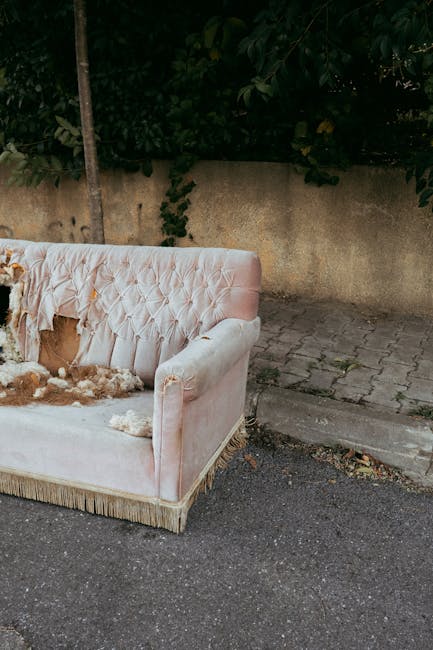
Walpole Park to Mattock Lane: sofa removal in Ealing
If you are trying to shift an old sofa from a flat near Walpole Park to a new setup around Mattock Lane, you already know this is rarely as simple as "move it out and leave it by the door." Sofas are bulky, awkward, and often the one item that turns a tidy clear-out into a logistical puzzle. Add tight stairwells, parking restrictions, busy streets, or a last-minute tenancy deadline, and sofa removal in Ealing becomes something you want handled properly.
This guide walks you through what sofa removal actually involves, why local knowledge matters, and how to make the process smoother, safer, and more cost-effective. You will also find practical advice on timing, compliance, recycling, access issues, and when a broader service such as furniture disposal or furniture clearance may be the smarter choice. If you want a quick next step, you can also review pricing and quotes or speak to a local team through the contact page.
Table of Contents
- Why Walpole Park to Mattock Lane: sofa removal in Ealing Matters
- How Walpole Park to Mattock Lane: sofa removal in Ealing Works
- Key Benefits and Practical Advantages
- Who This Is For and When It Makes Sense
- Step-by-Step Guidance
- Expert Tips for Better Results
- Common Mistakes to Avoid
- Tools, Resources and Recommendations
- Law, Compliance, Standards, or Best Practice
- Options, Methods, or Comparison Table
- Case Study or Real-World Example
- Practical Checklist
- Conclusion
- Frequently Asked Questions
Why Walpole Park to Mattock Lane: sofa removal in Ealing Matters
On paper, sofa removal sounds straightforward. In practice, the details matter. A sofa can block a hallway, scratch walls, damage lifts, strain your back, and create problems with neighbours or building managers if it is left in the wrong place at the wrong time. In a place like Ealing, where homes range from compact flats to larger Victorian terraces, the route from front room to vehicle can be the hardest part of the job.
This matters even more if you are dealing with a move-out deadline, a new sofa delivery, or a fast property turnaround. A sofa waiting in the wrong room can delay cleaning, decorating, or handover. For landlords, letting agents, and busy households, a single bulky item often needs to be removed with the same care as a larger clearance.
Local sofa removal also matters because Ealing streets can present practical barriers that outsiders overlook: loading access, resident parking, narrow entrances, shared stairwells, and protected internal finishes. A team familiar with these conditions is usually better placed to plan the lift, protect the property, and complete the job without drama. That sounds obvious, but the difference shows when a sofa has to be carried around a corner for the third time because nobody measured the door properly.
There is also the environmental side. Disposing of a sofa responsibly is not just about "getting rid" of it. Upholstered furniture often needs sorting, assessment for reuse, and proper handling if it is no longer suitable for donation. If sustainability matters to you, a provider with a clear recycling approach, such as recycling and sustainability practices, is worth considering.
How Walpole Park to Mattock Lane: sofa removal in Ealing Works
The removal process usually begins with a short assessment. You describe the item, where it is located, whether there are stairs or lifts, and how accessible the property is. In some cases, a photo or a quick call is enough to confirm the size and likely handling requirements. That early detail helps avoid surprises on the day.
From there, the team plans the loading route. This is where local experience pays off. A sofa may need to be turned, tilted, or partially dismantled to get through a narrow doorway or around a bend in a stairwell. Good removals teams work carefully so that the item comes out with minimal disturbance to walls, floors, and shared areas.
Once removed, the sofa is typically taken for reuse assessment, recycling, or disposal depending on condition. If the upholstery is in good order and the structure is sound, some items can be kept in circulation. If not, they are broken down into components where possible so different materials can be handled more appropriately.
For many households, sofa removal is not a standalone job. It sits alongside other furniture items, old beds, wardrobes, or general household clutter. That is why related services like home clearance, house clearance, or flat clearance can be useful if you are clearing more than one item and want everything handled in one visit.
Typical stages in the process
- Share a description of the sofa and the pickup location.
- Confirm access details, including stairs, lifts, parking, and time restrictions.
- Receive an estimate or quote based on the job size and complexity.
- Prepare the item and surrounding area before the team arrives.
- Remove the sofa safely and check the route for any issues.
- Send the item for reuse, recycling, or responsible disposal.
That may sound neat and tidy, and on a well-prepared job it usually is. The real difference comes down to access planning and communication.
Key Benefits and Practical Advantages
The main benefit is obvious: the sofa is gone without you having to wrestle it through the property yourself. But there are several less obvious advantages too.
- Less risk of damage to walls, bannisters, door frames, and flooring.
- Less physical strain, especially if the sofa is heavy or awkwardly shaped.
- Faster turnaround for moves, decorating, refurbishments, or end-of-tenancy work.
- More responsible disposal compared with leaving the item for ad hoc collection.
- Better use of time, particularly if you are coordinating several jobs at once.
There is also peace of mind. A sofa removal done properly removes uncertainty. You know who is handling the item, how it will be moved, and what happens next. For many customers, that certainty is worth a lot, especially when the rest of the week already feels full.
If the job is part of a wider clean-out, a broader service can be more efficient than multiple single-item arrangements. Many people in this position end up using furniture clearance or, for larger premises, waste removal to simplify scheduling.
Who This Is For and When It Makes Sense
Sofa removal in Ealing makes sense for a lot of different people, not just those moving home. If you are replacing an old three-seater, emptying a rental, or clearing a property after a refurbishment, it may be the most efficient option available.
It is especially useful if you:
- live in a flat or maisonette with awkward access;
- have a sofa that will not fit in a car or small van;
- need the item removed on a fixed deadline;
- do not want to lift, carry, or dismantle furniture yourself;
- are managing a probate, landlord, or end-of-tenancy clearance;
- want to keep your disposal route as responsible as possible.
It also makes sense when the sofa is no longer in a condition suitable for donation. A torn cover, broken spring, or unstable frame can mean the item is better handled through professional disposal rather than passed on. If you are unsure whether the item is reusable, it is usually better to describe it honestly up front rather than hope for the best on the day.
Businesses can need this service too. Offices, hospitality venues, and serviced accommodation often replace seating as part of routine refresh work. In those cases, a related option such as business waste removal or office clearance may fit better than a one-off domestic collection.
Step-by-Step Guidance
Here is a practical way to organise the job so it goes smoothly.
1. Measure the sofa and the route
Check the width, height, and depth of the sofa. Then measure doorways, hall turns, and any awkward tight spots between the sofa and the exit. If the item is a corner sofa or recliner, note whether it splits into sections.
2. Photograph the item and access points
A few clear photos can save time. Include the sofa, the room it is in, the entrance, and any staircases or loading points. That helps the removal team judge whether a simple lift will do or whether more careful planning is needed.
3. Clear the route
Move small items, rugs, and fragile objects out of the path. This is a simple step, but it makes a huge difference. It also reduces the chance of snagging fabric or catching an armrest on something unnecessary.
4. Confirm timing
Choose a slot that works around building access, parking rules, and your own schedule. If there are time windows for loading, let the provider know. Local timing constraints are easy to miss until you are standing on the pavement with a sofa and nowhere sensible to put it.
5. Ask how the item will be handled
Good providers should be clear about what happens next. Will the sofa be recycled, broken down, or checked for reuse? If you care about disposal standards, ask directly. A reputable team should be able to explain its approach in plain English.
6. Keep paperwork or confirmation
For landlords, agents, and businesses, it helps to keep a record of the service, date, and items removed. That can be useful for compliance, handover records, or internal administration.
If the job expands, for example because there are other unwanted pieces in a loft, hallway, or garage, it may make sense to scale up to a loft clearance or garage clearance rather than handling each piece separately.
Expert Tips for Better Results
A few small choices make sofa removal noticeably easier. These are the things people often wish they had done earlier.
- Book before delivery day if you can. If a new sofa is arriving, coordinate the old one's removal first so you are not juggling two large items at once.
- Check if the sofa can be dismantled. Many modern sofas are easier to move in sections, and even some older models can be taken apart.
- Protect the route. If you have delicate floors or tight corners, a little preparation reduces scuffs and frustration.
- Be honest about access. "Easy access" means different things to different people. Say what you actually have, not what you hope it feels like on the day.
- Think beyond the sofa. Once you start clearing a room, you may notice other items that are not worth keeping. Dealing with them in one visit is often more efficient.
A practical detail that often gets overlooked: if the sofa is in a basement, a top-floor flat, or a building with no lift, you should mention that immediately. Those extra few steps can change the whole plan. Truth be told, the stairs are usually where the job either goes smoothly or gets interesting.
Finally, if you are comparing providers, look for clear communication rather than vague promises. A team that explains access, pricing, and disposal methods clearly is usually a safer bet than the cheapest option with the least detail.
Common Mistakes to Avoid
Most sofa removal problems come from a short list of avoidable mistakes.
- Underestimating the sofa's size. Measurements matter more than guesswork.
- Forgetting access restrictions. Parking, loading bays, and timed entry all affect the job.
- Leaving preparation until the last minute. A clear route saves time and stress.
- Assuming donation is always possible. Not every item can be reused.
- Choosing a provider without asking how disposal works. Responsible handling should be easy to explain.
- Trying to move a heavy sofa without enough help. That is how damaged corners and strained backs happen.
Another common issue is not checking whether the service covers only collection or also removal from the property. Some people imagine the sofa will be taken from a front garden or ground floor landing, when in fact they still need it brought out of the room. Always confirm the full scope before booking.
If you are dealing with a cluttered property, a house clearance can reduce the chance of those last-minute surprises.
Tools, Resources and Recommendations
You do not need specialist equipment for every sofa removal, but a few basic items can help.
| Tool / Resource | Why it helps | Best used for |
|---|---|---|
| Measuring tape | Confirms whether the sofa can fit through exits | Before booking |
| Phone camera | Documents the sofa and access points | Getting accurate quotes |
| Gloves | Improves grip and protects hands | Light preparation work |
| Floor protection | Reduces scuffs on delicate surfaces | Shared entrances and tight hallways |
| Booking confirmation | Keeps the job details clear | Landlord, tenant, and business records |
For resources, the most useful pages are usually the ones that help you understand service scope and trust. If you want a clearer picture of the company's background, look at the about page. If safety matters to you, review the health and safety policy and insurance and safety information. For practical next steps, the pricing and quotes page is a sensible place to start.
If you are still deciding between disposal and full clearance, a quick read of recycling and sustainability can help you understand how reusable materials are typically treated.
Law, Compliance, Standards, or Best Practice
Sofa removal is not usually complicated from a legal point of view, but it should still be handled responsibly. In the UK, you should make sure waste is passed to someone who can transport and manage it properly. The key principle is simple: if an item is no longer wanted, it should not be dumped, fly-tipped, or left where it creates a hazard.
Best practice is to choose a provider that can explain its disposal route, respects property access, and handles items in line with normal duty-of-care expectations. For businesses and landlords, keeping a record of what was removed and when can be a sensible operational habit, even when it is not strictly asked for on every job.
Safety is also part of compliance in practice. Manual handling matters. A sofa can be awkward, and awkward is often enough to cause an avoidable injury. If a provider uses proper lifting techniques, communicates clearly, and avoids rushing, that is a good sign.
If you are comparing providers, it is worth looking for published policies on terms and conditions, privacy, and payment and security. Those pages do not remove the need to ask questions, but they do show whether the business is taking its responsibilities seriously.
Options, Methods, or Comparison Table
There is more than one way to deal with an unwanted sofa. The best choice depends on the item's condition, your deadline, and how much lifting you want to avoid.
| Method | Best for | Pros | Limitations |
|---|---|---|---|
| Self-move to a recycling point | Small or easily handled items | Direct control, potentially lower cost | Time-consuming, lifting heavy, vehicle needed |
| Donation or reuse route | Sofas in good, clean condition | Extends item life, more sustainable | Not all items accepted, collection rules vary |
| Booked sofa removal | Most households and landlords | Fast, convenient, less physical effort | Usually costs more than doing it yourself |
| Part of a full clearance | Multiple items or larger projects | Efficient, one visit, less admin | May be unnecessary for a single item |
For many readers, the answer is not one method forever, but the method that best fits this week's problem. If it is a single compact sofa and you have a van, self-move may work. If you are in a second-floor flat near Mattock Lane with a tight stairwell and a deadline, professional removal is usually the calmer option.
Case Study or Real-World Example
Consider a typical local scenario. A resident in Ealing has an old three-seater sofa sitting in a front room near Walpole Park. A replacement is arriving later in the week, but the current sofa will not easily fit down the stairs because the landing turns sharply halfway down. There is also limited parking outside, so timing matters.
Instead of trying to force the issue with a borrowed car and a couple of friends, the resident books a removal service after sending photos of the sofa and the hallway. The team confirms the access plan in advance, arrives with the right equipment, protects the route, and removes the item without damaging the walls or delaying the new delivery.
The useful part of this example is not that it is dramatic. It is that it is ordinary. Most successful sofa removals are simply the result of good preparation, a realistic quote, and a team that understands local access conditions. No fuss. No mystery. Just a job that gets done properly.
In a slightly larger version of the same scenario, the resident might also clear an old armchair, a coffee table, and a few storage pieces. At that point, a broader home clearance becomes more efficient than booking each item separately.
Practical Checklist
Use this checklist before the removal appointment.
- Measure the sofa and the narrowest route out of the property.
- Take photos of the sofa, stairs, lift, and entrance if needed.
- Confirm parking or loading access for the collection vehicle.
- Move small items away from the path.
- Check whether the sofa can be dismantled.
- Let the provider know about any tight turns, basement access, or shared hallways.
- Ask what happens to the sofa after collection.
- Keep the booking confirmation and any receipt.
- If more items need removing, decide now rather than later.
- Make sure children, pets, and valuables are out of the way on the day.
Expert summary: The best sofa removals are the ones planned before anyone touches the furniture. Measure first, describe access honestly, and choose a service that explains its disposal route clearly.
Conclusion
Walpole Park to Mattock Lane: sofa removal in Ealing is really about more than moving a large piece of furniture. It is about access, timing, safety, and making a sensible disposal choice that suits your property and schedule. With the right preparation, the process can be far simpler than people expect.
Whether you are replacing a worn sofa, clearing a rental, or preparing for a bigger move, the smartest approach is to plan the route, confirm the details early, and choose a provider that treats both the property and the item with care. If you need a broader service, it may be worth looking at flat clearance or waste removal rather than dealing with the sofa in isolation.
Get a free quote today and see how much you can save.
For a straightforward next step, you can also review the service approach on the main site, check the team's policies, and decide whether you need a single-item collection or a wider furniture removal visit. Either way, a little planning now tends to save a lot of lifting later.
Frequently Asked Questions
How do I know if my sofa can be removed through the stairwell?
Measure the sofa and the narrowest points on the route, including doorways, turns, and any awkward landings. If it looks tight on paper, it is usually tight in real life too.
Can an old sofa be recycled instead of dumped?
Often, yes. Many sofas can be broken down so different materials are handled separately. The exact route depends on the sofa's condition and the service provider's disposal process.
What if my sofa is too large for the hallway?
Some sofas can be dismantled before removal. If that is not possible, the team may need to use a different route or advise on an alternative solution. Photos help a lot here.
Is sofa removal in Ealing suitable for flats as well as houses?
Yes. In fact, flats are one of the most common reasons people book this kind of service because stairwells, lifts, and access restrictions make self-removal harder.
How much notice do I need to give?
That depends on availability and the size of the job. For time-sensitive removals, such as moving day or end-of-tenancy handover, it is best to book as early as you can.
What should I do before the removal team arrives?
Clear the path, move fragile items, and make sure the sofa is ready to be lifted. If there are access issues, tell the provider in advance rather than waiting until arrival.
Can I book sofa removal with other furniture items?
Yes. In many cases, it is more efficient to remove several items together. Services such as furniture clearance or home clearance are often better value when you have more than one piece to deal with.
Will the sofa be taken from inside the property?
Usually, yes, but you should always confirm the full scope of the service. Some jobs include carrying the item from the room; others may assume it is already moved to a ground-floor or accessible area.
Is it better to donate a sofa or have it removed?
If the sofa is clean, safe, and in good condition, donation or reuse may be possible. If it is damaged, stained, or unstable, professional removal is often the more realistic option.
How do I choose a trustworthy removal provider?
Look for clear communication, transparent pricing, and visible trust pages such as terms, insurance, and health and safety information. A provider that explains the process plainly is usually easier to work with.
What happens if parking is difficult near my property?
Tell the provider as soon as possible. Parking and loading access can affect timing, crew size, and the removal route, so it is better to plan for it than improvise on the day.
Can sofa removal be part of a broader clearance service?
Absolutely. If you are clearing a whole room, a flat, or even a full house, it often makes more sense to bundle the work into a wider clearance rather than booking a single-item collection.