Eco-Friendly Disposal Options for Pots and Pans
Eco-Friendly Disposal Options for Pots and Pans aren't just a nice-to-have anymore--they're a smart, money-saving way to do the right thing for your home and the planet. If you've got a wobbly saucepan, a scratched non-stick frying pan, or a cupboard full of lids that don't match anything (we've all been there), this guide will show you every sustainable route to move them on responsibly--from recycling and donation to clever upcycling and compliant business disposal. We'll keep it practical, UK-savvy, and grounded in real experience.
Table of Contents
- Why This Topic Matters
- Key Benefits
- Step-by-Step Guidance
- Expert Tips
- Common Mistakes to Avoid
- Case Study or Real-World Example
- Tools, Resources & Recommendations
- Law, Compliance or Industry Standards (UK-focused)
- Checklist
- Conclusion with CTA
- FAQ
Why This Topic Matters
Cookware is built to last--until it doesn't. Handles loosen, non-stick coatings scratch, and trends change. The trouble is, pots and pans are deceptively complex materials: aluminium or stainless steel bodies, steel screws, silicone handles, glass lids, and sometimes a magnetised base for induction hobs. Tossing them into general waste is not only wasteful, it's unnecessary. There are better, greener routes.
Why care? Because sustainable, eco-friendly disposal options for pots and pans have outsized benefits. Recycling metal saves serious energy compared with mining virgin material--recycling aluminium can save up to around 95% of the energy, and steel recycling typically saves 60-74%. That's real carbon avoided. When thousands of households do this, councils reduce landfill costs and communities cut emissions. Simple actions, big ripple effects.
There's also the human side. A gently used saucepan can genuinely help a student setting up their first flat, or a community kitchen in need of spare stockpots. One of our clients in East London once said, "I had no idea my old pans could be repaired and donated. Felt blooming good, to be honest." Small wins matter.
Truth be told, navigating the right route can feel confusing: are non-stick pans recyclable? What if the handle's plastic? Will my council take them? Ever stood over the bin, pan in hand, and hesitated? You're not alone. This guide clears it up--with the facts, the practical steps, and a few friendly nudges along the way.
Key Benefits
- Lower carbon footprint: Recycling metals (aluminium, steel) slashes energy use and CO2 emissions versus virgin production.
- Financial savings: Scrap yards may pay for bulk metal; businesses reduce waste disposal fees by diverting heavy metal items from general waste. Less weight in your bin, fewer lifts on your invoice.
- Declutter with purpose: Free up cupboard space while supporting reuse networks, charity shops, or repair cafes.
- Compliance confidence: For businesses, adhering to Duty of Care and using proper Waste Transfer Notes protects against fines and reputational risk.
- Community impact: Donated cookware helps households in need, community kitchens, and student setups. Feels good because it is good.
- Better kitchen performance: Replacing worn, uneven pans improves heat distribution and food quality. Less sticking, less swearing.
To be fair, it's not just about being "green." It's about being smart, practical, and a bit kinder to our future selves.
Step-by-Step Guidance
If you're deciding what to do with old cookware, follow this sequence. It's the simplest route to eco-friendly disposal options for pots and pans without the faff.
1) Audit What You Have
- Sort by condition: "Good" (fully usable), "Repairable" (loose handle, need reseasoning), "End-of-life" (warped beyond use, deeply scratched non-stick).
- Identify materials: Use a magnet. Magnetic base = likely steel/iron; non-magnetic body could be aluminium or stainless steel grade.
- Separate components: Lids (glass/metal), plastic/silicone handles, detachable knobs. Keep small screws in a jar--they vanish otherwise, like socks.
Micro moment: One rainy Saturday, I spread every pan on the kitchen floor--you could almost hear the clatter echo--and realised three lids matched nothing at all. Classic.
2) Consider Repair Before Disposal
- Cast iron: Rusty? Scrub, dry, and re-season with thin oil layers in a hot oven. Feels like magic. It's nearly always salvageable.
- Handles: Tighten screws, replace cheap plastic grips, or add universal knobs to lids.
- Stainless steel/aluminium: Surface stains respond to bicarbonate of soda or vinegar. Burnt-on gunk? Soak overnight, gentle scour in the morning.
- Non-stick: If scratched or flaking, don't donate for food use. Recoating services exist but are rare and can be costlier than replacement.
Ever tried clearing a room and found yourself keeping everything "just in case"? Same danger here. Fix what's realistic, then move on.
3) Prioritise Reuse & Donation
- Donate: Many charity shops accept clean, safe cookware. Check condition rules. Some chains are cautious with non-stick, others fine with it if intact.
- Community options: Reuse networks, Freegle, Freecycle, local Facebook groups, student unions, community kitchens. Clear photos help--list sizes and materials.
- Friends & neighbours: A quick message in the building WhatsApp group works wonders.
One of our favourite moments: a set of slightly scratched stainless pans went to a neighbour's teenager heading to uni--the grin said everything.
4) Upcycle Creatively
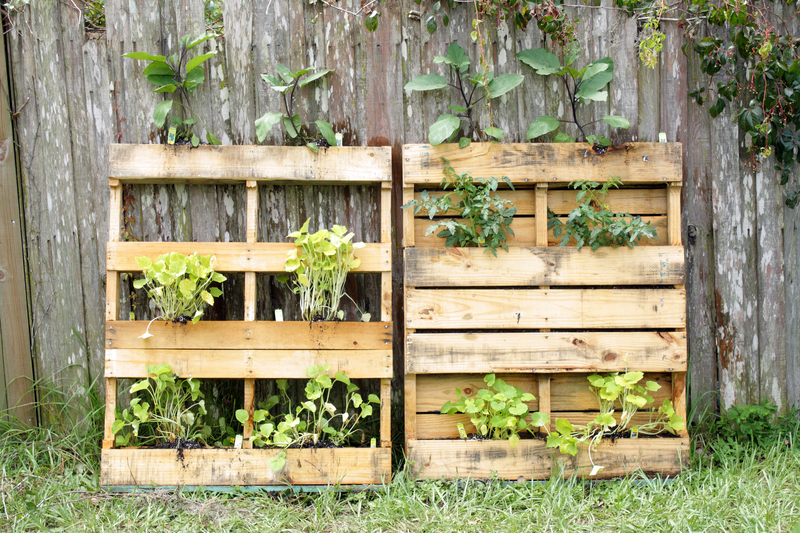
- Planters: Drill drainage holes in old pots for herbs. Silvery aluminium brightens small patios.
- Storage: Use large pans to corral cleaning bottles under the sink; lids corralled on wall-mounted hooks look surprisingly tidy.
- Birdbath or feeder: An upturned lid on a stand becomes a minimalist birdbath. The robins won't complain.
- Crafts: Enameled pieces make quirky wall art for rustic kitchens. Not for everyone, but charming when done well.
Let's face it, not every upcycle is a Pinterest triumph. But the good ones feel clever and personal.
5) Recycle Metals Properly
Here's where most of the environmental benefit sits. Your priorities:
- Check local rules: Many UK councils do not accept pots and pans in kerbside bins. The go-to is your Household Waste Recycling Centre (HWRC), often in the scrap metal area.
- Keep items intact (unless advised): Most HWRCs accept mixed-metal cookware intact because smelters separate coatings at high temperatures. If asked, remove plastic/silicone handles and recycle them separately or place in general waste if not recyclable.
- Glass lids: Tempered glass usually goes in "non-recyclable" at HWRC unless your site provides a specific glassware stream (different to bottle banks). Always verify onsite signage.
- Scrap yards: Many accept cookware metals and may pay modestly, especially for aluminium. Bring ID; traders must be licensed.
Important note: Non-stick coatings (PTFE) aren't typically classed as hazardous when intact. The metal body is the valuable recyclable part. Industrial processes burn off coatings under controlled conditions; don't try to burn them off at home--ever.
6) Business and Hospitality Disposal
- Segregate metals: Create a clear metal-only stream. Keep pans separate from general waste to reduce weight-based disposal costs.
- Choose a licensed collector: Ask for waste carrier registration numbers and proof of the receiving facility's permit.
- Waste Transfer Notes (WTN): Complete for every transfer. Record EWC codes (for metals from municipal streams: 20 01 40; businesses may use 12 01 01 ferrous, 12 01 03 non-ferrous depending on process). Keep records for at least two years.
- Reuse first: Offer staff first refusal, donate to community kitchens, or partner with local colleges for training kitchens.
It was raining hard outside that day when a Brighton cafe handed us four crates of old pans--half went to a cookery class down the road. Warm feeling inside, even if our shoes were soaked.
7) Safe Handling & Hygiene
- Clean before donating: No oily residue, no lingering smells. It's simply respectful.
- Gloves for metal edges: Some cut rims or broken lids can be sharp.
- Packed for transport: Nest pans, wrap glass lids in cardboard or old towels. You could almost smell the cardboard dust in the air--worth it to avoid chips.
Expert Tips
- Do the magnet test: Quick, decisive, and oddly satisfying. It helps identify mixed construction and potential scrap values.
- Look for induction bases: A thin steel disc under an aluminium pan indicates mixed metals; HWRCs still accept, but scrap yards may price differently.
- Cast iron is forever: If you can, always repair cast iron. Re-season and pass it on. Family heirloom potential.
- Photograph before donating: Clear photos help charity staff price fairly and help buyers choose the right sizes.
- Batch trips: Collect a few items before heading to the HWRC--saves time and fuel. Clean, clear, calm. That's the goal.
- Check for recalls: Very occasionally, cookware is recalled due to safety concerns. Don't donate recalled items; follow the manufacturer's guidance.
- Electric pans are WEEE: Electric skillets or multi-cookers are Waste Electrical and Electronic Equipment; take to WEEE bays, not metal heaps.
- Hospitality tip: Negotiate rebates for clean, segregated metals in your waste contract--some recyclers will offer better rates.
Small aside: we once rescued a carbon steel pan from the "to bin" pile. Two seasons later, it's the house favourite. Shiny-black patina, glides like a dream.
Common Mistakes to Avoid
- Putting pans in the kerbside bin: Most UK schemes don't accept bulky metal cookware at the kerb. It can jam sorting machinery.
- Donating unsafe non-stick: Heavily scratched PTFE coatings aren't great for cooking. Recycle the metal instead.
- Forgetting lids: Glass lids rarely go with bottle bank glass. Ask at HWRC; tempering makes them different.
- Over-upcycling: If you'll never use that planter, it's clutter with a bow. Be honest; recycle instead.
- Not removing obvious plastics: Some scrap yards prefer metal-only items. At least check the site's guidance; a quick unscrew can help.
- Bin-bagging sharp items: Exposed edges can tear bags and harm workers. Always box or wrap.
- Businesses skipping paperwork: No Waste Transfer Note? Risky. Keep records tidy. Future-you will thank present-you.
Yeah, we've all been there--mid clear-out, tempted to cut corners. A minute's care saves a lot of headache.
Case Study or Real-World Example
Case Study: London Family Kitchen Reset
Situation: A family in Hackney planned a small kitchen refurb and uncovered a decade of mismatched pans: 3 stainless steel pots, 2 battered non-stick frying pans, 1 carbon steel wok, 4 lids without mates.
Approach: We sorted by condition and material. The wok and two stainless pots were kept (quick clean and they were like new). The other stainless pot and two lids were donated to a local reuse charity. The two non-stick pans were end-of-life; metal went to the HWRC's metal bay, lids to general waste at HWRC (tempered glass not accepted in that borough's glass stream).
Outcome: 80% of items reused or recycled. Tidy shelves, lower disposal costs (zero, actually), and a happy handover note to the charity--"May these pans cook many good meals."
Mini Case: Manchester Cafe Upgrade
Situation: A 28-seat cafe upgraded to heavy-duty induction-ready pans. Old mixed pans (aluminium with steel bases, several stainless, a couple cast iron) needed moving on.
Approach: Segregated metals, completed Waste Transfer Notes, and partnered with a licensed scrap metal collector. Staff took first pick; one cast iron pan headed home with the pastry chef, who looked chuffed.
Outcome: Scrap rebate covered collection costs. Zero pans to landfill. Compliance box ticked, and a cheerier kitchen team.
Tools, Resources & Recommendations
Practical Tools
- Magnet: Identify ferrous vs non-ferrous parts quickly.
- Basic screwdriver set: Remove handles, knobs, and brackets.
- Work gloves: Protect from sharp edges and screws.
- Cardboard/towels: Wrap glass lids for safe transport.
- Steel wool/bicarbonate of soda: Clean items destined for reuse or donation.
Where to Take or Offer Items
- Household Waste Recycling Centres (HWRCs): Use the metal bay for pans; follow site signage for glass lids and plastics.
- Scrap metal dealers: Many accept cookware metals; carry photo ID. Check the yard is licensed.
- Reuse options: Charities, Reuse Network members, Freegle/Freecycle groups, local community fridges or kitchens (ask first for hygiene rules).
- Repair Cafes: Volunteers can help salvage handles or reseason pans.
Choosing Better Cookware Next Time
- Modular handles: Easier to replace if they fail.
- Riveted stainless handles: Durable and heat-safe (use mitts). Fewer plastic parts = easier to recycle at end-of-life.
- Timeless sizes: 16/18/20cm pots with lids and a 24-28cm frying pan cover most cooking. Less clutter overall.
- Cast iron or carbon steel: Built to last decades with simple care.
A small shift at the buying stage makes eco-friendly disposal options for pots and pans much simpler later. Future-proof thinking.
Law, Compliance or Industry Standards (UK-focused if applicable)
UK waste rules aren't designed to trip you up, but they do expect a bit of diligence--especially for businesses.
Households
- Waste Hierarchy: UK policy, aligned with the EU Waste Framework Directive, prioritises prevention, reuse, recycling before recovery or disposal. Your best routes: reuse -> metal recycling.
- Local authority scheme rules: Councils publish accepted items for kerbside and HWRCs. Cookware typically goes to HWRC metal bays; check lid guidance.
- PTFE/non-stick: Not considered hazardous when intact. Don't incinerate at home. Recycle via metal streams where accepted.
Businesses (Hospitality, Facilities, Landlords)
- Environmental Protection Act 1990 - Duty of Care: You must store, transport and dispose of waste safely using licensed carriers and permitted sites.
- Waste Transfer Notes (WTNs): Required for each waste movement; keep for a minimum of two years. Include EWC codes and quantities.
- Scrap Metal Dealers Act 2013: Scrap dealers must be licensed; cash payments are restricted. You'll need photo ID for transactions.
- EWC codes: Metals are commonly coded as 20 01 40 (municipal metals) or, for process waste, 12 01 01 (ferrous) / 12 01 03 (non-ferrous). Your collector can confirm the right code.
- WEEE Regulations: Electric pans or multi-cookers are electrical waste. Keep them separate and use WEEE-compliant collection routes.
Following these standards isn't red tape for the sake of it. It's proof you're safeguarding your team, your neighbours, and your reputation.
Checklist
- Audit cookware by condition and material (magnet test).
- Attempt simple repairs (tighten handles, reseason cast iron).
- Prioritise reuse/donation for safe, usable items.
- Plan upcycling only if you'll genuinely use the result.
- Recycle metals via HWRC or licensed scrap dealer; check local glass lid guidance.
- For businesses: use licensed carriers, complete WTNs, record EWC codes.
- Pack glass lids carefully; wear gloves for handling.
- Buy smarter next time: fewer plastics, repairable handle designs.
Two minutes with this list before you load the car saves ten at the site. It just does.
Conclusion with CTA
Choosing eco-friendly disposal options for pots and pans isn't about perfection--it's about progress. You've got a dozen practical routes now: reuse where you can, recycle metals where you can't, and keep safety, courtesy and compliance in the mix. The big reward? Space in your cupboards, peace of mind, and fewer resources pulled from the earth.
If you're a household, the next step is easy: box what's donate-able, check your council's HWRC guidance, and make one purposeful trip. If you're a business, set up a clean metal stream and tighten up your paperwork. Simple systems, big returns.
Get a free quote today and see how much you can save.
And hey, give yourself credit. One sturdy pan reused, one aluminium skillet recycled--it all adds up. Quietly, steadily. The kind of tidy that feels good.
FAQ
Are non-stick pans recyclable in the UK?
Yes, typically the metal body is recyclable, even with a PTFE coating. Most HWRCs accept non-stick pans in the metal bay. The coating is burned off during industrial processing. Avoid putting them in kerbside bins unless your council explicitly allows it.
Can I put pots and pans in my kerbside recycling?
Usually no. Most councils exclude bulky metal cookware from kerbside collections because it can jam sorting machinery. Use the HWRC metal bay or a licensed scrap dealer instead.
What should I do with glass lids?
Tempered glass lids are often not accepted with bottle/jar glass because of different melting points. At HWRCs, lids may go into general waste or a specific non-recyclable container. Check local site signage or the council's A-Z guide.
Are scratched Teflon (PTFE) pans safe to donate?
If the non-stick is significantly scratched or flaking, don't donate for food use. Recycle the metal body instead. If the coating is intact and safe, many charities will accept it cleaned and in usable condition.
Can scrap yards take cookware?
Yes, many licensed scrap yards accept cookware metals and may pay modestly, particularly for aluminium. Bring photo ID. Mixed materials are generally fine, though some yards prefer handles removed.
How do I dispose of electric frying pans or multi-cookers?
These are WEEE (Waste Electrical and Electronic Equipment). Take them to the WEEE section at your HWRC or arrange a WEEE-compliant collection. Don't put them in the metal-only bay.
Is cast iron ever "end-of-life"?
Rarely. Cast iron can nearly always be brought back with rust removal and reseasoning. If it's cracked or truly unusable, recycle it as scrap metal.
Do businesses need paperwork to recycle pans?
Yes. Under the Duty of Care, businesses must use licensed carriers and complete Waste Transfer Notes (WTNs) for collections. Keep records (with EWC codes and quantities) for at least two years.
What's the greenest option overall?
Reuse first. Donation to households or community kitchens keeps items in service. After that, recycling metals delivers strong carbon and energy savings versus landfill or incineration.
Can I upcycle pans for planters?
Absolutely. Drill drainage holes, add gravel and soil, and plant herbs or flowers. Just ensure sharp edges are smoothed and coatings are intact on the outside.
Will removing handles help recycling?
It can. Many recyclers accept pans intact and remove non-metal components at the facility. If your local site requests, unscrew plastic/silicone parts beforehand for a cleaner metal stream.
Are there any health risks from old non-stick pans?
Normal use of PTFE-coated pans is generally considered safe; issues arise when coatings are severely damaged or overheated. If badly scratched, retire the pan from cooking and recycle the metal responsibly.
What sizes and materials should I buy to minimise future waste?
Choose durable materials (stainless steel, cast iron, carbon steel), classic sizes (16/18/20cm pots, 24-28cm fry), and repairable handle designs. Fewer plastic parts make eventual recycling simpler.
Why do some councils reject cookware in mixed recycling?
Sorting plants are optimised for specific items (cans, bottles, paper). Bulky or mixed-construction cookware can jam machinery. HWRC metal bays or scrap yards are better equipped for it.
Can charities accept cookware with minor wear?
Often yes, if it's clean and safe. Minor scuffs are fine; heavy scratches on non-stick or missing parts are not. Best to call your local shop first--polite and practical.
How do I transport a batch safely?
Nest pots by size, wrap glass lids in cardboard or towels, and box sharp items. Gloves help. Label the box "metal pans" so HWRC staff can direct you quickly.
Small closing thought: you don't have to do it all at once. One cupboard, one pan, one better choice. That's enough for today.